




What Is a Bolt Seal Used For? A Complete Guide for Kenyan Businesses

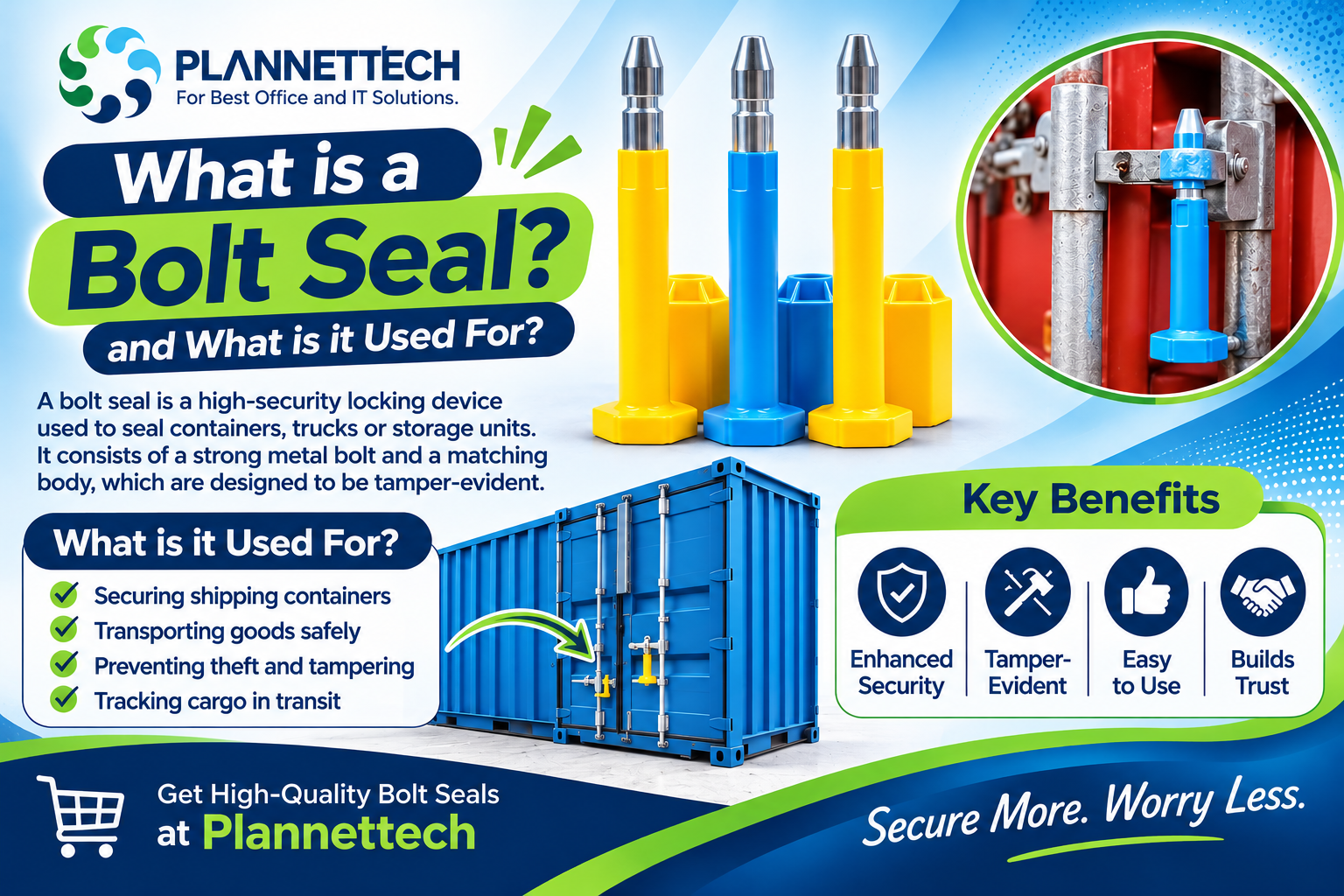
Walk past any loading bay in Nairobi, Mombasa, or Nakuru, and you will see trucks and containers with a small pin-and-barrel lock on the door latch. Most people ignore it. Anyone who has lost a consignment to theft, or argued over a “short delivery”, knows it matters. If you are asking what a bolt seal is used for, the short answer is that a bolt seal is a high-security, single-use lock that shows whether a container, truck, or trailer door was opened between loading and delivery.
This guide explains what a bolt seal is used for in plain language. We cover the main uses of a bolt seal, how it works, the ISO 17712 and C-TPAT standards behind it, how it compares with cable seals, padlock seals, and meter seals, and what to check when buying. It is written for micro and small enterprises (MSEs) and small and medium enterprises (SMEs) in Kenya that move goods by road, sea, or rail.
By the end, you will know what a bolt seal is used for in real operations, how to choose the right one, and how to use it so it protects your cargo and your reputation. You will also find a detailed FAQ at the bottom that answers the most common questions about bolt seal uses.
What Is a Bolt Seal?
To understand what a bolt seal is used for, start with how it is built. A bolt seal has two parts: a hardened steel pin (the bolt) and a barrel, usually made of ABS plastic or metal, that locks onto the pin. When the pin is pushed into the barrel, it locks permanently. It can only be removed with bolt cutters, which destroy the seal. That is why every explanation of what a bolt seal is used for calls it a single-use device.
Every bolt seal carries a unique serial number, and many also carry a barcode, a company name, or a logo printed or laser-engraved on the barrel. The serial number is central to bolt seal use, because it lets you record exactly which seal was on which door when the load left. If the number on arrival does not match the number on departure, you know something went wrong.
Bolt seals belong to the group known as barrier seals, because the thick steel pin physically resists cutting and attack. Compared with a plastic pull-tight strap, a bolt seal is much harder to defeat. That is the main reason the standard answer to what a bolt seal is used for is “high-value or high-risk cargo”. You can browse the full range of security seals and our bolt seals on the Plannettech website.
What Is a Bolt Seal Used For? The Main Uses
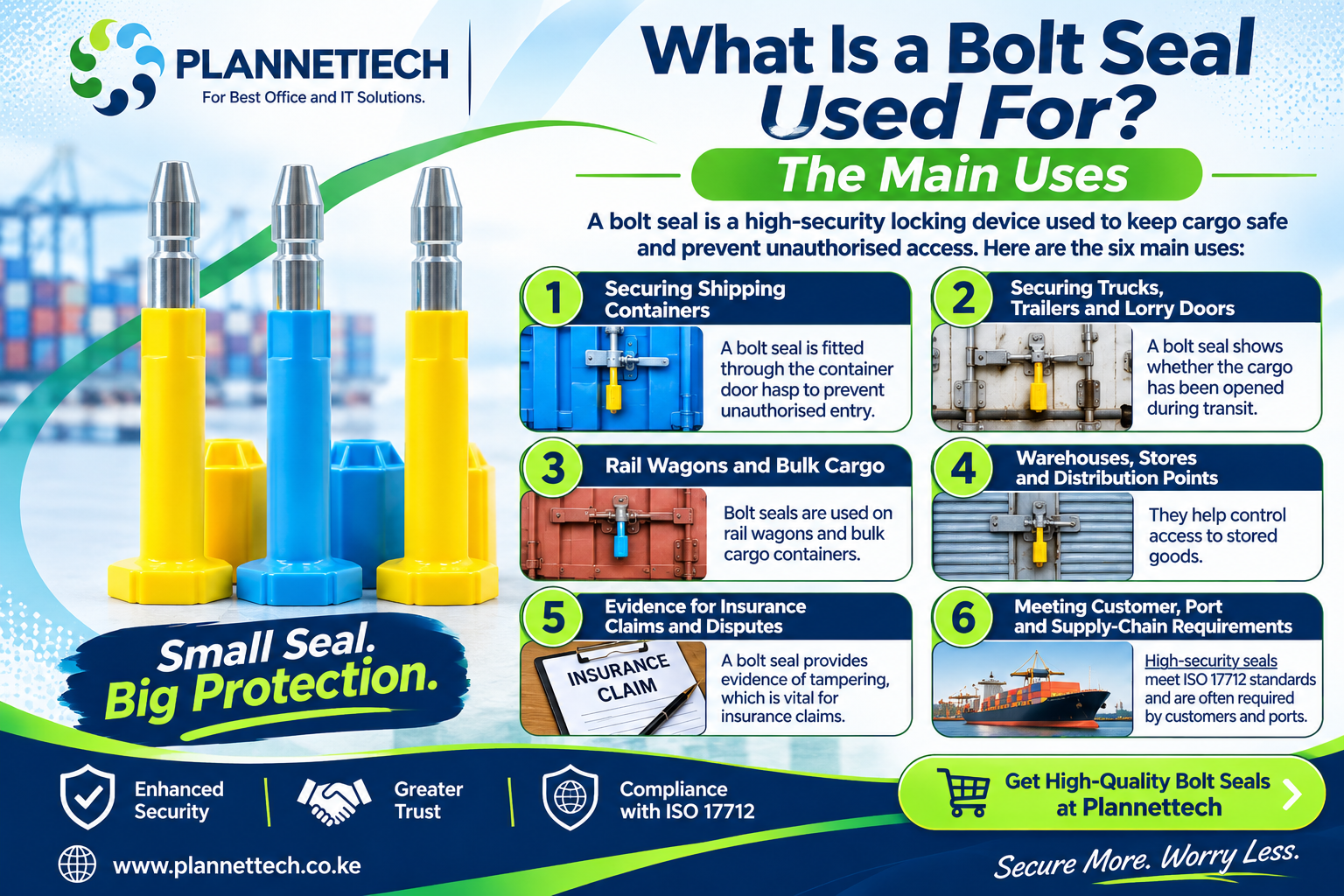
The best way to answer what a bolt seal is used for is to look at where it is fitted. Below are the six main bolt seal uses in Kenyan and international logistics.
1. Securing shipping containers
This is the classic answer to what a bolt seal is used for. Container doors close with locking bars and a handle latch, and the bolt seal is fitted through the hasp so the doors cannot be opened without cutting it. Containers moving through Mombasa and inland container depots rely on bolt seals because the cargo may change hands several times and travel for days. For import and export containers, a bolt seal that meets ISO 17712 is the usual choice.
2. Securing trucks, trailers and lorry doors
A second major bolt seal use is on trucks. Whether you run one lorry carrying goods from Nairobi to Kisumu or a fleet of delivery trucks, a bolt seal on the rear door shows whether the load was accessed between depots. The driver cannot open the cargo area without breaking the seal, so any stop-and-pilfer attempt leaves proof. For many SMEs, this is what a bolt seal is used for most often.
3. Rail wagons and bulk cargo
Bolt seals are also used on railway wagons and other bulk cargo containers where doors or hatches must stay locked for long journeys. The seal number is recorded at dispatch and checked on arrival, so any discrepancy is spotted quickly. This is another established use of a bolt seal.
4. Warehouses, stores and distribution points
If you wonder what a bolt seal is used for beyond transport, this is the answer: controlling and auditing access to stored goods. Some businesses seal warehouse roller doors, stockroom hatches or tank gates, so the seal number on each closure becomes a check on who opened what and when.
5. Evidence for insurance claims and disputes
A bolt seal does not stop a determined thief on its own. What it does is reveal tampering, and that evidence matters. If a client claims goods arrived short, a record showing the seal number matched at loading and at delivery supports your case. Insurers also ask about sealing practice after a loss. So part of what a bolt seal is used for is simply proof.
6. Meeting customer, port and supply-chain requirements
Large buyers, shipping lines and international customers often require high-security seals as a condition of doing business. A bolt seal that meets the ISO 17712 standard is typically accepted for international container shipping, and programmes such as C-TPAT expect high-security seals in secure supply chains. For an SME trying to supply bigger customers or export, understanding what a bolt seal is used for in compliance terms can open doors.
How a Bolt Seal Works
Knowing what a bolt seal is used for is easier once you see how it works. The process is simple, and that simplicity is part of why bolt seal uses are so widespread.
The pin is passed through the door hasp or locking bar. The pin is then pushed firmly into the barrel until it clicks and locks. A light tug confirms it is engaged, and the serial number is recorded on the dispatch note, delivery note, or seal log. At the destination, the receiver checks that the seal is intact and that the number matches, then cuts it with bolt cutters.
Tamper evidence is the second half of what a bolt seal is used for. A seal that has been attacked often shows scratches, cracks, a bent or cut pin, a loose barrel, or a number that no longer matches the paperwork. Good high-security designs also resist spinning and pulling apart, so quick attacks leave clear marks.
ISO 17712 and C-TPAT: The Standards Behind Bolt Seal Uses
When buyers ask what a bolt seal is used for in international trade, the answer always leads to standards. ISO 17712 is the international standard for mechanical freight container seals. It classifies seals as H (high security), S (security), or I (indicative), and bolt seals are most commonly sold in the high-security class. The current edition is ISO 17712:2013, and ISO’s own page shows it was reviewed and confirmed in 2023.
C-TPAT is a voluntary programme run by US Customs and Border Protection to secure international supply chains. It is not a Kenyan legal requirement, but exporters supplying US customers may be asked to use seals that meet ISO 17712. For that reason, many suppliers describe their bolt seals as “ISO 17712 and C-TPAT compliant”. Always ask for proof of certification rather than relying on the label.
One more point for Kenyan traders: for regulated export and transit cargo, the Kenya Revenue Authority runs an electronic cargo tracking system, described in its public notice on electronic cargo tracking seals. A mechanical bolt seal does not replace that system. It protects your own loads and doors, and your clearing agent can confirm which seals apply to a given consignment. That is the full picture of what a bolt seal is used for in a regulated setting.
Bolt Seal vs Cable Seal vs Padlock Seal vs Metal Seal vs Meter Seal
Many buyers confuse seal types, so here is a quick comparison. It also helps to explain what a bolt seal is used for compared with the others. For a wider overview, see this guide to types of security seals.
| Seal type | Best for | Security level | Reusable? |
|---|---|---|---|
| Bolt seal | Containers, trucks, trailers, rail wagons | High | No |
| Cable seal | Truck doors, tanker hatches, items needing adjustable length | Medium to high | No |
| Padlock seal | Cash bags, lockers, small doors, cages | Low to medium | No |
| Metal seal (strap, lead or crimp) | Bags, crates, utility and document sealing | Medium | No |
| Meter seal | Electricity and water meters, meter boxes | Indicative (shows tampering) | No |
In short, if you ask what a bolt seal is used for compared with a padlock seal or a meter seal, the answer is heavy, high-value cargo behind large doors. When you need a flexible length, such as for gates and odd-shaped hatches, cable seals are usually the better match.
Why MSEs and SMEs in Kenya Should Care About Bolt Seal Uses
Big logistics firms already use seals everywhere. Smaller businesses often do not, even though one stolen or tampered load can hurt a small company far more than a large one. That is why understanding what a bolt seal is used for is a practical business skill for MSEs and SMEs.
The cost of a seal is small compared with the value of the cargo it protects. A shopkeeper moving stock, a distributor delivering to retailers or an exporter loading a container can all justify a few shillings per load for proof that the doors stayed shut. The table below shows common situations.
| SME scenario | How a bolt seal helps |
|---|---|
| Distributor delivering stock to several outlets | Seal number recorded at dispatch and checked at each handover |
| Importer collecting a container from the port | Confirms the container was not opened in transit |
| Small exporter shipping produce or goods | Meets the buyer’s security requirement for a sealed container |
| Business with a disputed or short delivery | Serial number records support the claim |
| Business with drivers or staff handling loads | Creates accountability, so tampering is easy to trace |
In each case, the answer to what a bolt seal is used for is the same: protecting goods and proving what happened. If you are building trust with bigger customers, a consistent sealing routine also signals that your business is organised.
How to Choose the Right Bolt Seal
When you know what a bolt seal is used for in your operation, choosing becomes simpler. Check these points before you buy:
- Certification: ask for ISO 17712 proof if you ship containers internationally.
- Pin diameter and strength: thicker pins resist cutting better, which matters for valuable cargo.
- Serial numbers: unique, non-repeating numbers are essential for every bolt seal use.
- Custom marking: your company name, logo, or barcode makes forged seals easier to spot.
- Barrel material: ABS suits most uses, while metal-bodied options add extra resistance.
- Colour coding: different colours for routes or depots make auditing faster.
- Supplier support: choose a supplier that can deliver in Nairobi, supply bolt cutters, and issue seal records.
If you are unsure what a bolt seal is used for in your case compared with a cable or padlock option, talk to our team through the contact us page and describe your cargo and route.
How to Use a Bolt Seal Correctly
A good seal used badly gives a false sense of safety. Follow these steps to get the real value of what a bolt seal is used for:
- Inspect the seal for damage before use, and discard any damaged seal.
- Pass the pin through the hasp and push it fully into the barrel until it locks.
- Tug the barrel to confirm it is engaged.
- Record the serial number on the delivery note, with the date, vehicle, and driver.
- Share the number with the receiver in advance so they know what to expect.
- At delivery, check the seal and number against the paperwork before cutting it.
- Report any mismatch or damage immediately, and keep the cut seal as evidence.
Common Mistakes That Weaken Bolt Seal Use
Even when staff understand what a bolt seal is used for, a few habits undermine it:
- Not recording the serial number, which makes the seal worthless as evidence.
- Leaving unused seals unlocked, where staff can swap numbers.
- Using plastic indicative seals where a high-security seal is needed.
- Cutting the seal at the wrong place, so nobody can inspect it at delivery.
- Reusing or re-fitting a seal that was already cut.
Bolt Seal Price in Kenya: What Affects the Cost
Buyers often ask what a bolt seal is used for before asking about price, but both matter. The price of a bolt seal in Kenya depends on pin diameter, certification, whether the seal is custom printed or numbered, the order quantity, and the supplier. Standard stock seals usually cost less per unit than custom-marked ones, and larger orders reduce the unit price. For an accurate figure, request a quote that states quantity, marking, and delivery location, and compare suppliers on certification and not only on price.
Buy Bolt Seals in Nairobi From Plannettech
Now that you know what is a bolt seal used for, the next step is getting reliable stock. Plannettech supplies security seals for businesses across Kenya, including bolt seals, cable seals, padlock seals and meter seals. Check current offers on our Black Friday 2026 page, or contact us for a quote on custom-numbered bolt seals.
Conclusion
So, what is a bolt seal used for? It secures containers, trucks, trailers, rail wagons, and stores with a tamper-evident, single-use lock, and it gives you a serial-numbered record that protects you in disputes and claims. For MSEs and SMEs, the uses of a bolt seal are practical: fewer losses, clearer accountability, and more credibility with customers.
Choose a certified seal, record every serial number, train your staff, and check each seal on arrival. Done consistently, that is what a bolt seal is used for at its best: protecting your cargo from the loading bay to the customer’s door.
Frequently Asked Questions
What is a bolt seal used for?
A bolt seal is used to secure the doors of shipping containers, trucks, trailers, and rail wagons, and to show whether anyone opened them in transit. Because each seal has a unique serial number and can only be removed with bolt cutters, it gives you tamper evidence and a record you can use in insurance claims and delivery disputes.
Is a bolt seal reusable?
No. When people ask what is a bolt seal used for, the single-use design is the point. Once the pin locks into the barrel, it can only be removed by cutting, which destroys the seal. A cut seal must never be refitted, and a new numbered seal should be used for every load.
Can a bolt seal be removed without cutting it?
A properly made high-security bolt seal cannot be removed without bolt cutters or similar tools. This is central to what a bolt seal is used for, because any attempt to open the door leaves visible evidence such as a cut pin, scratches, or a mismatched number.
What is the difference between a bolt seal and a cable seal?
A bolt seal has a rigid steel pin and a fixed locking barrel, so it suits containers and truck doors with standard hasps. A cable seal uses a steel cable of adjustable length, so it fits irregular closures such as gates and hatches. Both share the same basic purpose, but bolt seals focus on heavy, high-value cargo.
What does ISO 17712 mean on a bolt seal?
ISO 17712 is the international standard for mechanical freight container seals. It classifies seals as high security (H), security (S) or indicative (I). If a bolt seal is marked ISO 17712, it has been tested to the standard, which matters if you are asking what is a bolt seal used for in export and import shipping.
Do I need a bolt seal for local deliveries within Kenya?
Not legally in most cases, but it is good practice for valuable or high-risk loads. Many SMEs use a bolt seal on trucks carrying stock between towns, because the seal number and record protect them in a dispute. For regulated export or transit cargo, ask your clearing agent which seals apply.
How do I know if a bolt seal has been tampered with?
Check that the serial number matches your paperwork, then look for scratches, cracks, a bent or loose pin, and a barrel that moves or looks damaged. If anything looks wrong, do not accept the load without noting it. Spotting tampering is a core part of what a bolt seal is used for.
Can I get custom-printed or numbered bolt seals?
Yes. Many suppliers offer bolt seals with your company name, logo, barcode, and a unique running number. Custom marking makes forgery harder and speeds up auditing, so it is a popular option for MSEs and SMEs that want a professional sealing system. Contact Plannettech for a quote.
What tools do I need to remove a bolt seal?
You need bolt cutters of a suitable size. Always cut the seal at the destination after checking the number and condition, and keep the cut seal if there is any doubt. Using the right tool is part of correct bolt seal use.
How much does a bolt seal cost in Kenya?
The price depends on pin diameter, ISO 17712 certification, custom printing, quantity, and supplier. Ask for a quote that lists your quantity, marking requirements, and delivery location. Compare certification as well as price, because the real value of what a bolt seal is used for lies in its reliability.


Bolt seals
- Meets C-TPAT / ISO 17712:2013 Requirements for High Security Seals. US Customs approved.
- Unique correlative serial numbers with barcode. One-time use.
- Anti-Spin feature provides added security to prevent unauthorized entry
- 8 mm thick steel bolt shaft. Long bolt length provides added clearance to remove with bolt cutters.
- Check out our store for more quantities and prices!


Cable seals (30cm cable length)
- Material Body: aluminium
- Cable: galvanized steel aircraft cable
- Printing: sequential numbers: laser print


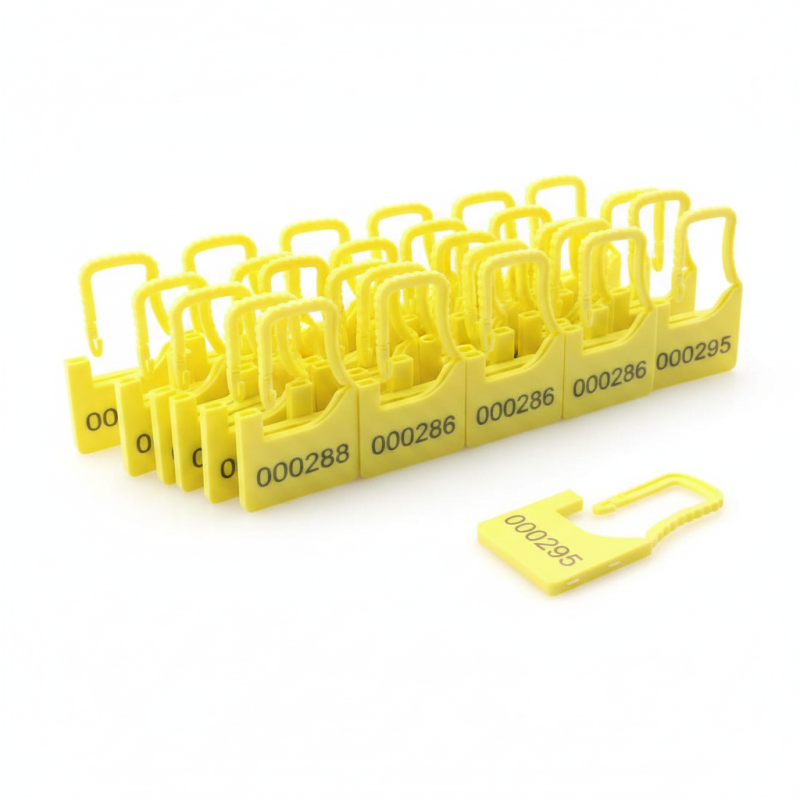
Plastic Padlock Security Seals Tamper-Evident 100-Pack (plastic-padlock-security-seals)


Plastic Seals 40cm
- Colors
- Logo printing
- Barcoding


SF-P101 plastic container security seal 25cm
- Self-locking - no tools required.
- plastic material, easy for recycling
- All kinds of Containers, Trucks, Tanks, Doors, Postal services, Courier services, Bags, Airline Luggage, Liquor Carts, Food Carts, Trolleys Etc.
- All plastic, easy for recycling
- Pull tight locking mechanism
SF-P101 plastic container security seal 40cm
PRICE IS VAT EXCLUSIVE
Features
- Self-locking - no tools required.
- Plastic material, easy for recycling
Application
- All kinds of Containers, Trucks, Tanks, Doors,
- Postal services, Courier services, Bags, Airline Luggage, Liquor
- Carts, Food Carts, Trolleys Etc.
Specification
- All plastic, easy for recycling
- Pull tight locking mechanism